Navigating the Future of Construction
Addressing Industry Challenges and Solutions
Explore the pressing issues facing the construction industry today and discover innovative strategies companies are employing to overcome them.
Current Challenges in Construction
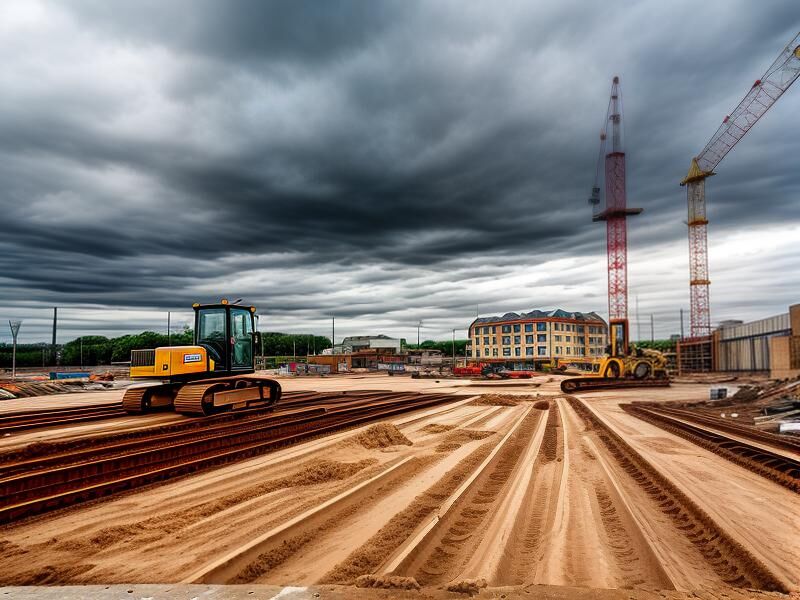
The construction industry is currently grappling with a significant labor shortage, exacerbated by an aging workforce and a lack of new skilled workers entering the field. This shortage is impacting project timelines and increasing costs. Additionally, global supply chain disruptions are causing delays and price hikes in materials, complicating project management. Macroeconomic uncertainties, including fluctuating interest rates and inflation, are further straining budgets and slowing down growth in certain sectors.

Labor Shortage
The skilled labor crisis is a major hurdle for the construction industry, with many companies struggling to find qualified workers. This shortage is driven by an aging workforce and insufficient training programs to attract new talent.
Supply Chain Disruptions
Supply chain issues are causing significant delays and cost increases in materials, impacting project timelines and budgets. Companies are seeking new strategies to mitigate these disruptions.
Macroeconomic Uncertainties
High interest rates and inflation are making financing more expensive, slowing down growth in nonresidential sectors like office and warehouse construction. Companies are adapting by diversifying their portfolios.
Innovative Responses to Industry Challenges
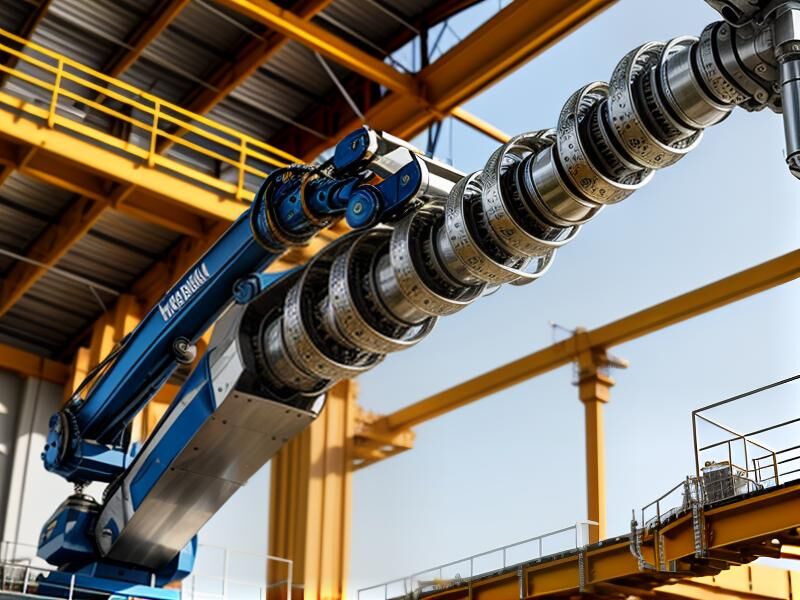
In response to these challenges, companies are turning to automation and robotics to enhance productivity and reduce reliance on manual labor. Training programs are being implemented to upskill workers and attract new talent. Additionally, firms are improving inventory management and using predictive analytics to better navigate supply chain disruptions.
Automation and Robotics
Automation and robotics are becoming increasingly vital in construction, helping to fill the gap left by labor shortages and improve efficiency on job sites.
Training Programs
Companies are investing in training programs to develop a skilled workforce, ensuring that employees are equipped with the latest knowledge and techniques.
Inventory Management
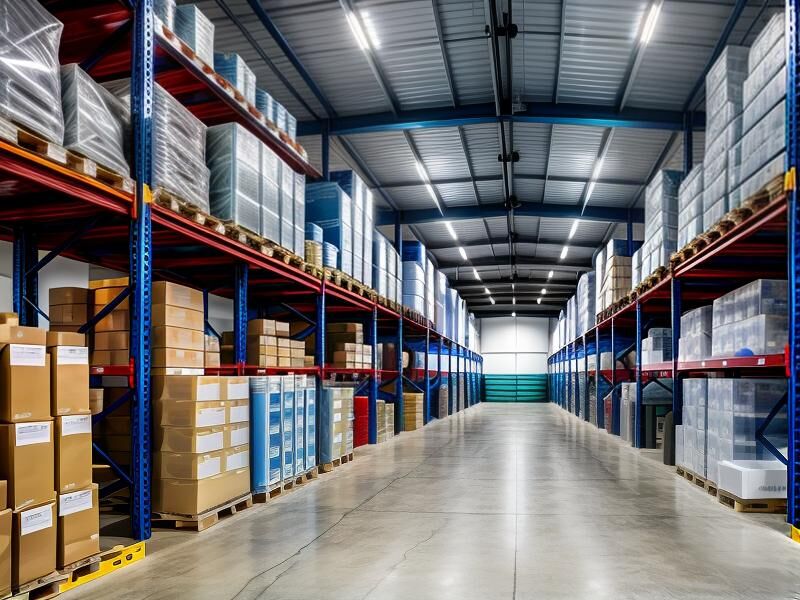
Effective inventory management and the use of predictive analytics are helping companies to better anticipate and respond to supply chain disruptions, ensuring projects stay on track.
High-Growth Market Sectors


The construction industry is witnessing remarkable growth in specific sectors, notably data centers, healthcare, and hospitality. The surge in data centers is fueled by the increasing demand for AI processing and cloud storage solutions. Meanwhile, the healthcare sector is expanding due to demographic shifts and substantial government investments in new and upgraded facilities. The hospitality industry is also experiencing a renaissance, driven by a resurgence in travel and the development of innovative hotel projects.

Sustainability in Construction
As the construction industry evolves, sustainability has become a central focus. Builders are increasingly utilizing eco-friendly materials such as low-carbon concrete and recycled steel to minimize environmental impact. Green certifications like LEED and ENERGY STAR are now standard, showcasing a commitment to sustainable practices. Additionally, adaptive reuse of existing structures is gaining traction, reducing waste and aligning with broader environmental goals.
Eco-Friendly Innovations
Innovative approaches in construction are paving the way for a greener future. The use of cross-laminated timber and other sustainable materials is on the rise, promoting energy efficiency and reducing carbon footprints. Developers are also exploring living materials that can self-heal or absorb pollutants, further enhancing the sustainability of new projects.


Technology Adoption in Construction
The construction industry is embracing cutting-edge technologies to enhance efficiency and productivity. Artificial intelligence is being leveraged for predictive analytics and project management, while drones and robotics are utilized for site inspections and hazardous tasks. These advancements are streamlining operations and reducing costs.
Innovative Construction Techniques
Modular and prefabricated construction methods are revolutionizing the industry by offering faster build times and improved quality control. These techniques reduce waste and enhance energy efficiency, making them an attractive option for modern construction projects. Additionally, 3D printing is emerging as a viable solution for building components, offering flexibility and cost savings.
Explore Emerging Construction Trends
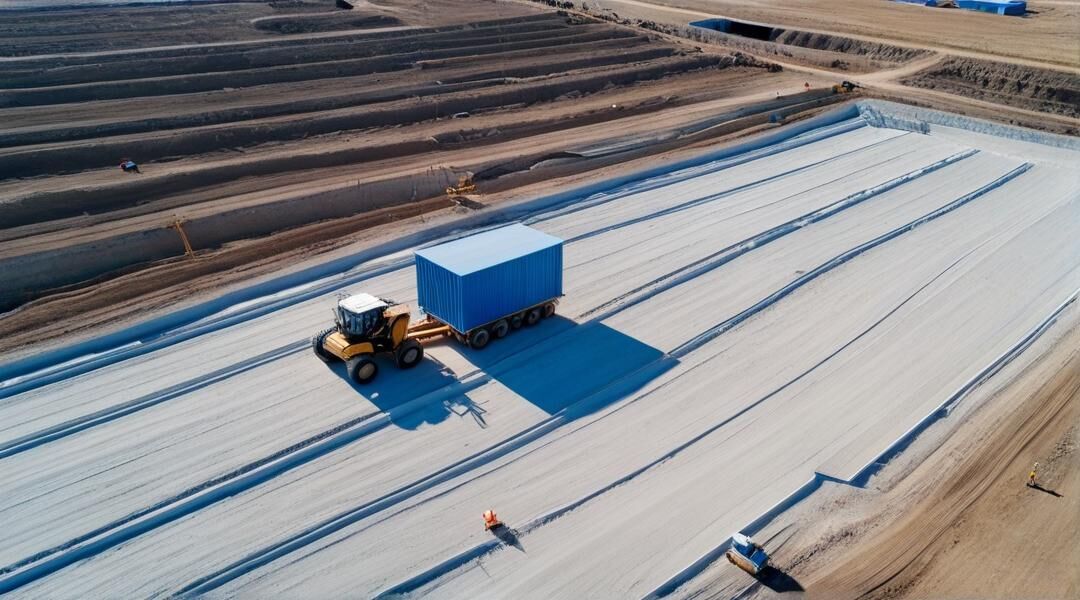
Stay ahead in the ever-evolving construction landscape by delving deeper into the latest industry insights. Discover how leading companies are navigating labor shortages, supply chain challenges, and economic uncertainties. Click below to uncover strategies that can transform your business and drive sustainable growth.